

Coriander Substitute: What to Use for Leaf, Seed, and AIP Cooking
Coriander means two things: the fresh leaf (cilantro) and the dried seed. For the leaf, swap flat-leaf parsley one for one. For the seed, rebuild its warm, citrusy note from a little lemon or orange zest plus a pinch of cinnamon or ginger. If you avoid seed spices, skip the usual cumin, fennel, and caraway swaps — those are seed spices too — and use the zest-and-herb rebuild instead.
The right coriander substitute depends on one thing you have to settle first: whether the recipe means the fresh leaf or the dried seed. In the US, the leaf is sold as cilantro and the seed as coriander; most of the world calls both coriander. For the leaf, reach for flat-leaf parsley. For the seed, rebuild its warm, citrusy note from what is already in the cabinet. This seed-spice substitute guide frames the wider problem; this page settles coriander specifically.
That split matters because using the wrong one changes the dish. Swap parsley into a curry that wanted ground coriander seed and it tastes flat and grassy. And if you avoid seed spices, the answer narrows further, since most of the usual coriander-seed swaps are other seed spices.

First, Which Coriander Do You Mean
Coriander and cilantro are the same plant, Coriandrum sativum — the leaf and the seed just taste nothing alike. The leaf is bright, green, and citrusy. The seed is warm, nutty, and mildly sweet, closer to a baking spice than a fresh herb. Check whether your recipe says fresh, chopped, or leaves (that is cilantro) versus ground or whole seeds (that is coriander seed), then use the matching section below.

Best Substitute for Coriander Leaf
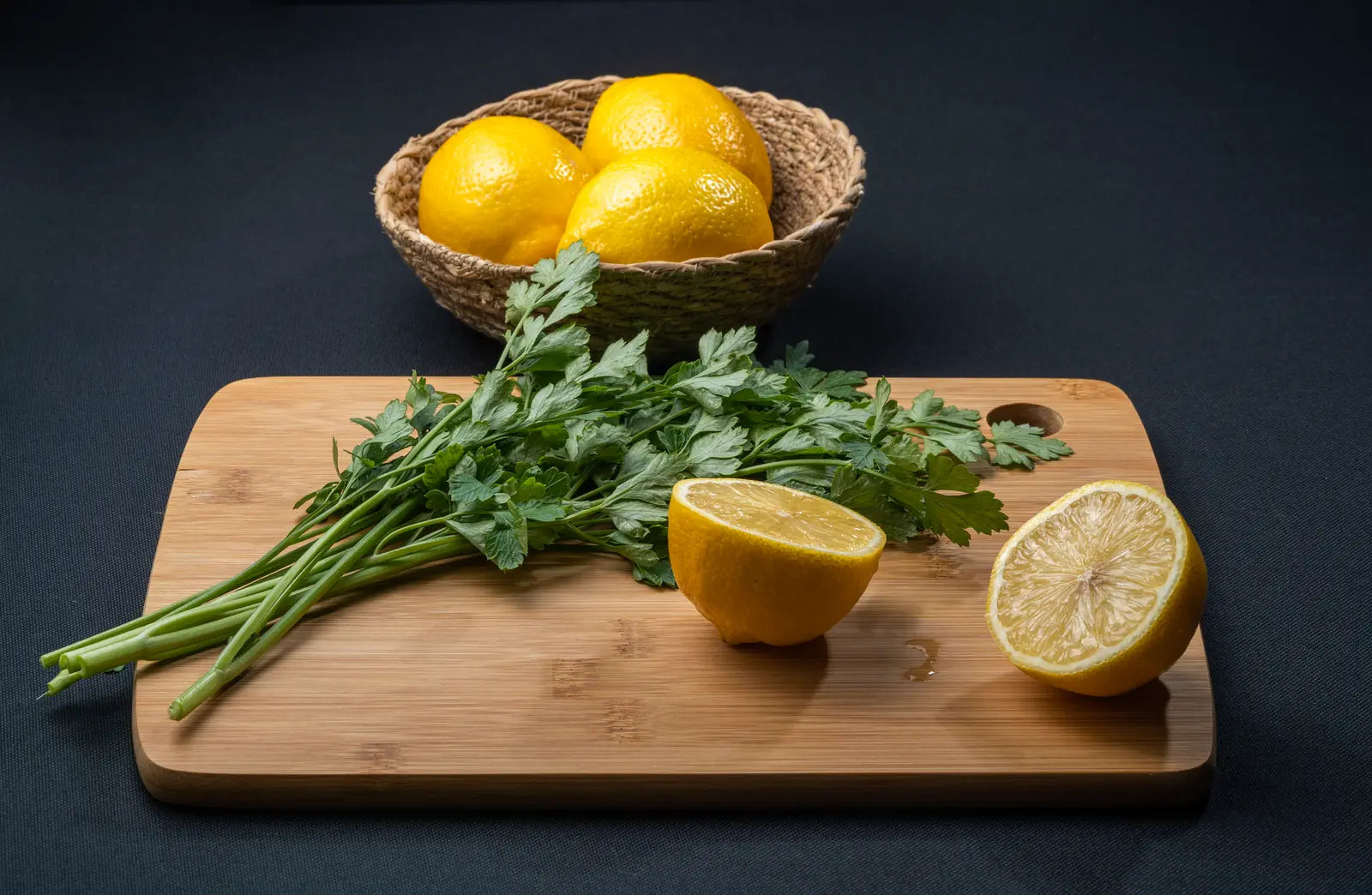
Flat-leaf parsley is the closest everyday stand-in, swapped one for one by volume. It brings the same green, fresh lift without the divisive edge. For a little more aroma, use a mix of parsley with a small amount of fresh basil, tarragon, or mint, depending on the dish. All of these are fresh herbs, so they fit a nightshade-free and seed-spice-free kitchen without a second thought.
One note for the soapy-taste crowd: if cilantro reads like dish soap to you, that is a real, genetics-linked perception, not a preference to apologize for. Parsley gives you the color and freshness the recipe wanted with none of the soap.

Best Substitute for Coriander Seed
Coriander seed is the harder swap because its flavor is a specific trio: warmth, a light citrus note, and a nutty roundness. The honest rebuild is to layer those jobs rather than find one magic seed. For every teaspoon of ground coriander a recipe calls for, start with about half a teaspoon of grated lemon or orange zest for the citrus, a small pinch of ground cinnamon or ginger for the warmth, and a spoonful of chopped parsley to round it out. Add it toward the end of cooking so the citrus zest stays bright. Same structure, built from a different direction.
For quick reference across other swaps, the AIP spice substitution chart keeps ratios in one place, and the chili powder substitute guide uses the same layered logic for the nightshade side of the rack.
If You Also Avoid Seed Spices
Here is what most substitution guides skip: a substitute should fit the diet, not just the flavor. The swaps those guides reach for first — cumin, fennel seed, and caraway — are all seed spices, commonly avoided during AIP elimination right alongside coriander seed. Curry powder and garam masala get suggested too, and both can carry seed spices and nightshades unless a label proves otherwise.
So for a seed-spice-free or AIP kitchen, skip the seed-for-seed swaps and use the zest-plus-warm-spice rebuild above, or lean on the fresh-herb route. The broader seed-spice-free cooking guide covers why these seeds come out and how to keep flavor anyway. Black pepper is a separate case: not a seed spice, but protocol tolerance varies, so treat it as optional and check your own protocol.

Cuisine Fit and a Ready-Made Option
Match the swap to the cooking. In a bright Mexican or Thai dish, parsley or a parsley-mint mix carries the leaf. In an Indian or Middle Eastern braise that wanted ground coriander, the zest-and-warm-spice rebuild holds up better than any single herb.
When rebuilding a spice trio by hand every time gets tiring, a clear-label blend saves the measuring. A jar from the AIP Flavor Trio is built seed-spice-free from the start, so the warm, savory backbone is already there without a coriander seed in sight. Homemade or jarred, the coriander question comes down to one move: name which coriander you mean, then rebuild its job from what fits your kitchen.