

Seed-Spice-Free Cooking Substitution Chart
This chart gives the seed-spice-free swap for every common seed spice in one scannable place: coriander, celery, caraway, fennel, cumin, mustard, anise, and dill seed, each row linking a full guide. The whole chart runs on one rule — never swap a seed for another seed. Rebuild its job from a root, a herb, or a warm spice instead.
This seed-spice-free cooking substitution chart puts the swap for every common seed spice in one place. Each row gives the quick, seed-free replacement and links to a full guide with ratios and detail, so you can scan it mid-recipe or bookmark it for the next time a recipe reaches for a seed you no longer keep. The seed-spice substitute guide is the fuller companion to this cheat sheet.
Seed spices are the group most people trip over on the autoimmune protocol, after nightshades. They hide in spice blends, pickles, sausages, curries, and breads, so knowing the swap for each one is what keeps everyday cooking from shrinking to salt and onion. The chart below is organized around one idea: you rebuild a seed's flavor from a root, a herb, or a warm spice, never by swapping in another seed. That single principle is what makes this chart shorter than the pile of generic substitution lists it replaces, since almost every seed's job falls into one of those three buckets.

The Seed-Spice-Free Swaps, Spice by Spice
- Instead of coriander seed, use a little citrus zest plus a warm spice, and fresh parsley for the leaf side. Full detail: coriander substitute.
- Instead of celery seed, use celery itself, fresh stalks, leaves, or dried flakes, or lovage. Full detail: celery seed substitute.
- Instead of caraway, use fresh tarragon or fennel bulb and fronds, with a pinch of cinnamon for warmth. Full detail: substitute for caraway seeds.
- Instead of fennel seed, use the rest of the fennel plant, the bulb and fronds, or tarragon. Full detail: fennel seed substitute.
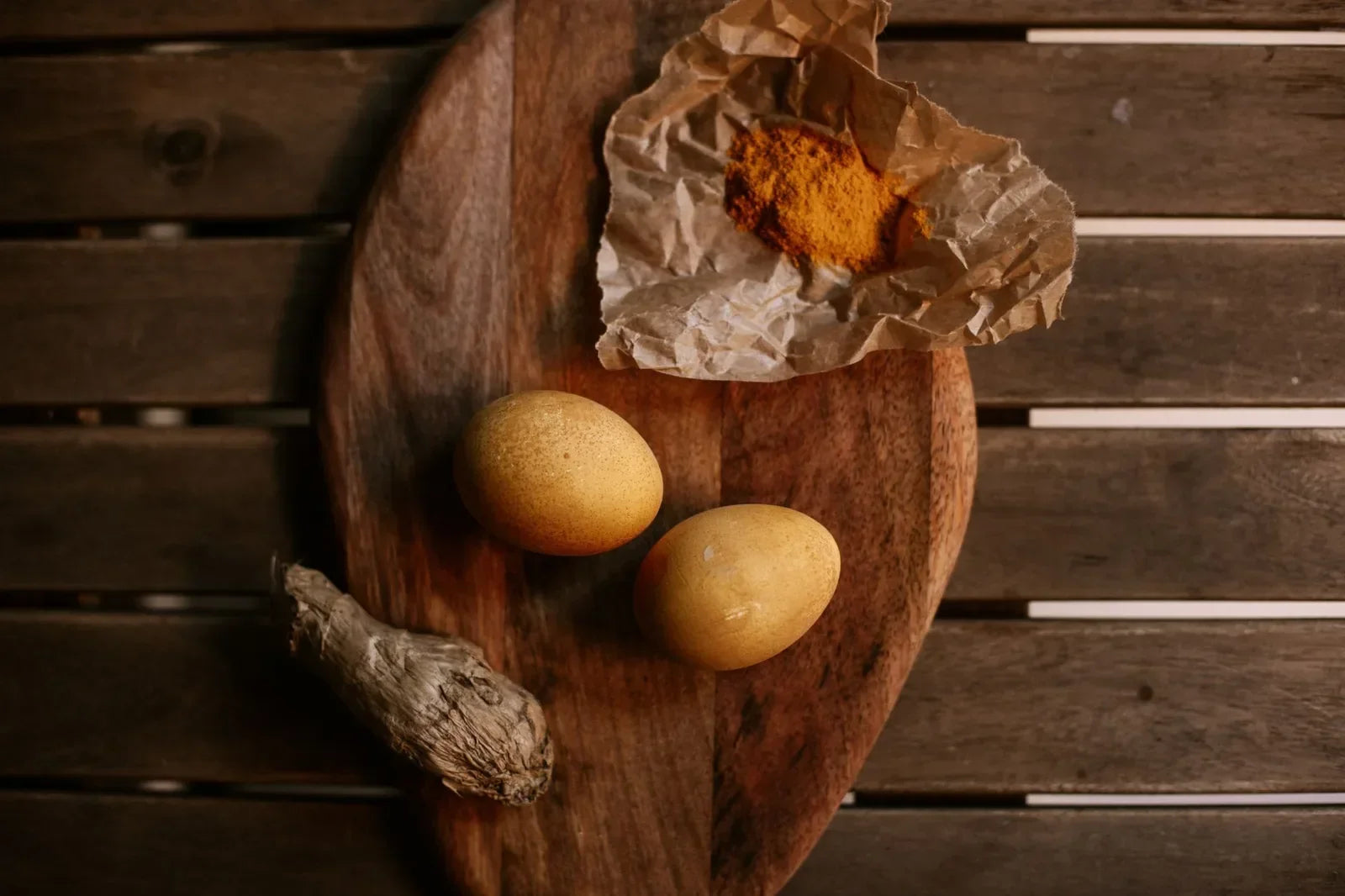
- Instead of cumin, use turmeric for the earthy base, smoked salt for the smoke, and a pinch of cinnamon or ginger for warmth. Full detail: substitute for cumin powder.
- Instead of mustard seed, use horseradish, a root from mustard's own family, with a little ginger. Full detail: mustard seed substitute.
- Instead of anise seed, use fresh tarragon or Thai basil, or fennel bulb, for the licorice note. Full detail: anise seed substitute.
- Instead of dill seed, use dill weed, the leaf of the same plant, using a little more since it is milder. Full detail: dill seed substitute.
A pattern jumps out once the rows sit together. Half of these swaps are simply the rest of the plant the seed came from: celery seed becomes celery, fennel seed becomes fennel bulb, and dill seed becomes dill weed. The other half rebuild the flavor from a neighbor, a root for mustard's bite, warm spices for cumin's earthiness, herbs for the anise notes in caraway and anise seed. Read that way, the chart is less a list to memorize than a habit to build.

The One Rule: Rebuild the Job, Not the Seed
If you remember nothing else, remember this: do not swap a seed for another seed. That is the trap every generic substitution list falls into, recommending cumin for coriander or fennel for caraway, when all of those are seed spices commonly avoided during AIP elimination too.
Instead, name the exact job the seed was doing, then rebuild it from a different ingredient. Sharpness and pungency come from roots, horseradish or ginger, since mustard, horseradish, and wasabi share the same bite. Fresh, grassy, and anise notes come from herbs, dill weed, tarragon, basil, or parsley. Earthy warmth comes from warm spices and roots, turmeric, cinnamon, and ginger. Three simple categories cover almost every seed on the shelf, which is why this one chart can stand in for the whole spice rack. The broader seed-spice-free cooking guide explains the reasoning, and the Sprint 1 AIP spice substitution chart covers swaps beyond the seeds.
Black Pepper and the Gray Areas
A few things sit outside the clean lines above. Black pepper is not a nightshade and not a classic seed spice, but tolerance varies by protocol, so treat it as optional and check your own protocol before adding it. Star anise is a fruit from a different plant than anise seed, and it lands in a gray area for many cooks instead of a clear yes. Blends like curry powder, garam masala, and Chinese five spice usually carry seeds, nightshades, or both, so they do not belong on the compliant list unless a label proves otherwise. When in doubt, the safer read is to rebuild from a root, a herb, or a warm spice you can name, rather than a pre-mixed blend whose label leaves you guessing.

A Ready-Made Option
Mixing swaps by hand works well when seed-spice-free cooking is occasional. Once it is just how a kitchen runs, a clear-label blend covers the everyday savory groundwork so the fresh bite is the one thing you add yourself. A jar of everyday AIP spice blend is built seed-spice-free from the start, and the broader AIP Flavor Trio collection covers more of the rack in one order. Chart in hand or jar on the shelf, the rule holds: rebuild the job, and leave the seed behind.