

Substitute for Caraway Seeds: What to Use When Cooking Without Seed Spices
The closest conventional substitute for caraway seeds is fennel or anise seed, one for one — but both are seed spices, like caraway. Every classic swap (fennel, anise, dill, cumin, coriander seed) is another seed, so a seed-spice-free kitchen rebuilds caraway's warm, anise-earthy note from tarragon, fresh fennel bulb and fronds, and a pinch of cinnamon or ginger instead.
The closest substitute for caraway seeds is fennel or anise seed, swapped one for one, since all three share the same warm, faintly licorice note. But that swap comes with a catch worth knowing up front: fennel and anise are seed spices, just like caraway. If you cook around seeds, none of the usual answers apply, and this seed-spice substitute guide is where the wider problem gets solved.
Caraway is one of the harder spices to replace, and the honest reason is that every classic stand-in is another seed. So the answer splits: if any seed is fine, reach for fennel; if you are seed-spice-free, you rebuild the flavor from parts that were never seeds at all.

What Caraway Seeds Taste Like
Caraway is warm, earthy, and a little nutty, with an anise or licorice edge that leans savory rather than sweet. It is bolder than it looks, which is why a teaspoon flavors a whole loaf of rye or a pot of braised cabbage. Botanically it sits in the same family as fennel and anise, so those two taste closest to it, while dill, cumin, and coriander seed sit a step out.
Knowing the flavor is warmth plus a savory anise note is what makes the seed-free rebuild possible. You are not chasing one magic spice; you are covering two jobs. That also explains why caraway divides people: the same licorice edge that reads as cozy in rye bread tastes medicinal to someone who dislikes anise, so whatever you swap in, a lighter hand is the safer call. When caraway is just a background note, not the star, you can often halve the amount and lose very little.
The Closest Conventional Swap
If another seed is fine in your kitchen, fennel seed is the best match, one for one. Anise seed works too, though sweeter, so use about half as much and taste as you go. Dill seed and coriander seed stand in one-to-one when the dish already leans savory, and cumin covers the earthiness but drops the anise note entirely.
All of these are seed spices, so treat this section as the conventional answer, not the AIP one. The AIP spice substitution chart keeps the seed-free swaps in one quick reference.

If You Also Avoid Seed Spices
Here is the part every other caraway guide skips: every classic substitute is another seed, so a seed-free kitchen has to rebuild the flavor rather than swap the seed. Fennel, anise, dill, cumin, and coriander seed are all commonly avoided during AIP elimination right alongside caraway.
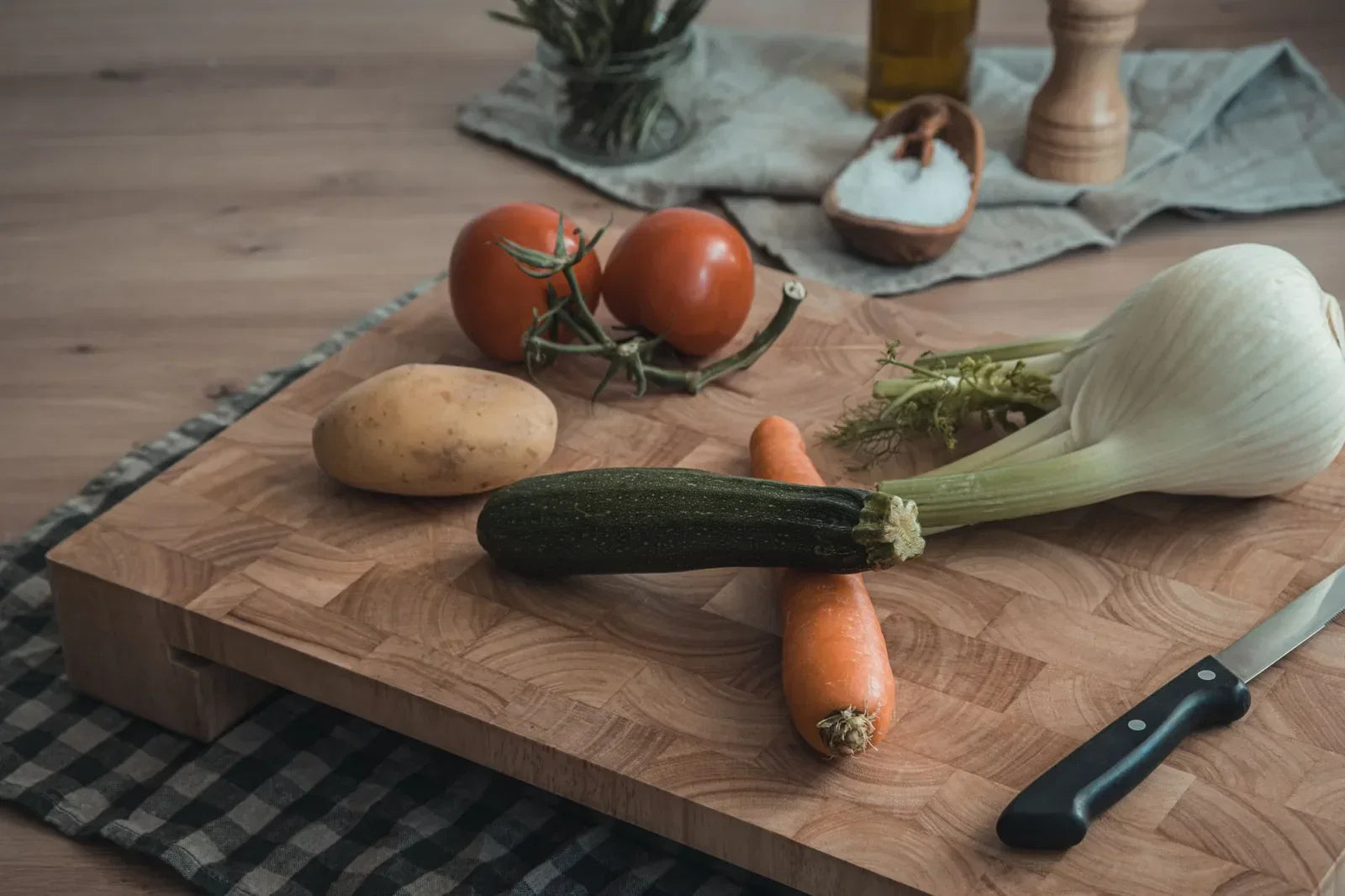
The rebuild covers caraway's two jobs from parts that were never seeds. For the anise note, fresh tarragon is the closest herb, and fennel bulb or its feathery fronds bring the same flavor from a vegetable, not a seed spice. For the warmth underneath, a small pinch of cinnamon or ginger fills it in. Start light, since tarragon and fennel bulb are gentler than the concentrated seed. The celery seed substitute guide uses the same seed-versus-vegetable logic, and the broader seed-spice-free cooking guide explains why the seeds come out during elimination.

Swaps by Dish
What to reach for depends on the recipe:
- Rye-style bread — fennel bulb, finely minced, plus a little tarragon. Traditional rye is not AIP because of the gluten, but grain-free loaves take the same flavor cue.
- Sauerkraut and braised cabbage — tarragon and a pinch of cinnamon carry caraway's warm, savory role without a seed in sight.
- Stews and roasts — fennel fronds stirred in near the end, plus the warm-spice pinch, keep the earthy depth caraway was adding.
- Spice rubs — dried tarragon works when you need a dry ingredient, ground fine to match the rub, with a pinch of cinnamon for the warm backbone.
- Soups and grain-free porridge — a few fennel fronds added late keep the savory lift without turning the pot licorice-heavy.
None of these ask for another seed. They ask you to cover warmth and a savory anise note from whatever the dish can carry.

A Ready-Made Savory Option
Rebuilding a flavor by hand every time works well when it is occasional. Once seed-spice-free cooking is just how a kitchen runs, a clear-label blend saves the guesswork. A jar of everyday AIP spice blend is built savory and seed-spice-free from the start, so the warm background depth caraway used to add is already there, and the broader AIP Flavor Trio collection covers more of the rack in one order. Homemade or jarred, replacing caraway comes down to one honest move: since every usual swap is a seed, cover its warmth and its anise note from parts that never were.