

Taco Seasoning Without Paprika: What to Use Instead
Taco seasoning without paprika still needs to do paprika's two jobs — color and mild warmth — so this recipe rebuilds both with turmeric, smoked salt, cinnamon, and ginger instead of another pepper. Use about one tablespoon per pound of meat, the same as a conventional mix. A nightshade-free, ready-made jar is below for a night when mixing isn't the plan.
Mix a taco seasoning without paprika from six pantry spices, and the tacos still come out warm, colorful, and complete. The short version: turmeric, smoked salt, garlic, onion, cinnamon, and ginger take over the two jobs paprika normally does, measured the same way a conventional packet is.
Most taco seasoning recipes reach for paprika without thinking about what it's actually doing — color and a mild, smoky warmth. Leave it out without replacing those two jobs and the mix tastes thin, which is why so much paprika-free advice online falls flat. Some readers are here because paprika is a nightshade and doesn't fit an AIP or nightshade-free kitchen; others are just out of it, don't love the flavor, or ran out mid-recipe. Either way, the fix is the same: rebuild what paprika was doing instead of just subtracting it and hoping the rest of the spices carry the weight.

Why This Taco Seasoning Leaves Out Paprika
Paprika is made from dried, ground peppers, which makes it a nightshade — the same plant family as chili powder and cayenne. Every variety counts, whether the label says sweet, smoked, or hot; none of them is an exception to the nightshade rule. For AIP and nightshade-free cooks, that's reason enough to leave paprika out entirely, since it's commonly avoided during the AIP elimination phase along with the rest of the pepper family.
For everyone else, the reason is simpler: an empty spice jar, a milder flavor preference, or just curiosity about what a paprika-free version tastes like. Either reason lands in the same recipe below, and neither one requires understanding the full autoimmune protocol to follow it.

The Paprika-Free Taco Seasoning Recipe
For every pound of meat, combine:
- 1 teaspoon ground turmeric, for color
- 1 teaspoon smoked salt, for smoky depth
- 1 teaspoon garlic powder
- 1/2 teaspoon onion powder
- 1/4 teaspoon ground cinnamon, for warmth
- 1/4 teaspoon ground ginger, for a second layer of warmth
Stir the six together in a small bowl before it hits the pan. Black pepper is not a nightshade, but tolerance varies by protocol — add a pinch only if yours allows it, and treat it as optional. Cumin is a separate conventional taco spice, not a nightshade, and this recipe leaves it out too, though that exclusion belongs to its own page — taco seasoning without cumin covers it in more depth than this one needs to.
This mix comes together fast once the six jars are on the counter — just a bowl, a whisk, and thirty seconds of stirring until the color runs even and no streak of cinnamon is left showing.

What Replaces Paprika's Job
Paprika was never just decoration. It carried color and a mild, smoky warmth at the same time, and a paprika-free mix has to rebuild both or the tacos taste pale and flat.
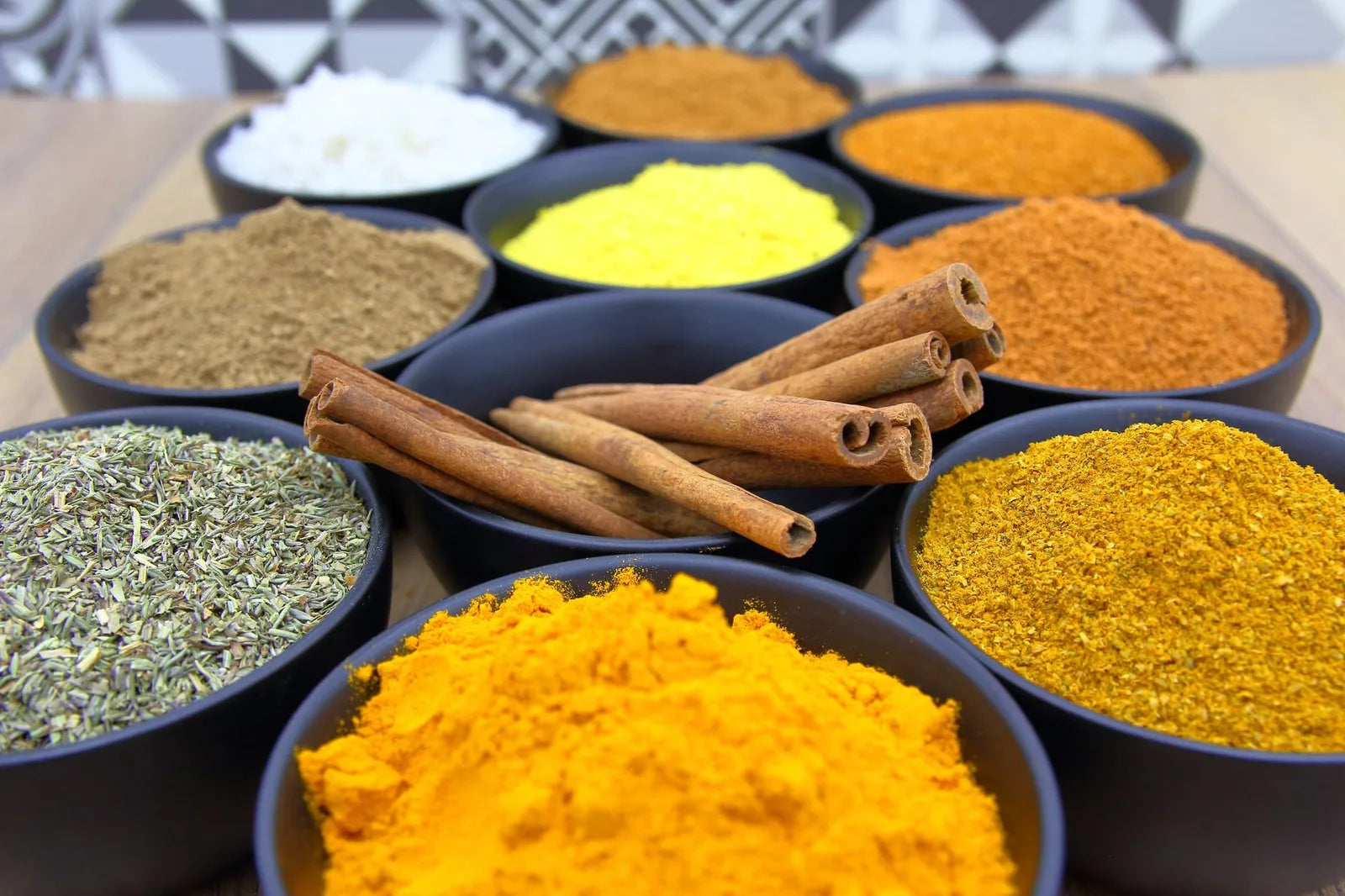
Turmeric picks up the color, the same reddish-gold tone paprika usually leaves behind. Smoked salt covers the smoky depth, and cinnamon and ginger add the warmth without reaching for another pepper. Nightshade-free should not mean warmth-free — warmth is bigger than peppers, and this combination proves it once it's in the pan.
Chili powder, cayenne, ancho chili powder, and red pepper flakes might look like obvious paprika substitutes, but all of them are peppers too, which makes them nightshades in their own right. None of them belong on a nightshade-free swap list, even though they're common in a conventional pantry — the same reasoning behind taco seasoning without chili powder, the sibling exclusion this page doesn't re-teach.
The paprika substitute guide goes deeper into this specific swap if color or smoke alone is the goal, separate from a full taco blend. For the fuller nightshade-free approach this recipe builds on, see AIP taco seasoning, and the same rebuilding logic anchors this gluten-free taco seasoning guide as well.

How to Use It With Taco Meat
Brown a pound of ground beef or turkey, drain most of the fat, then add the blend with a quarter cup of water. Simmer three to four minutes until the liquid mostly cooks off and the seasoning clings to the meat — the same method and the same one-tablespoon-per-pound ratio a conventional mix uses.
The same blend works on chicken, shredded meat, or a pan of roasted vegetables at a lighter hand, not just ground beef for tacos. For chicken, use closer to a scoop per pound rather than a full tablespoon, since chicken carries less fat to balance a heavier hand with the seasoning. On roasted vegetables, a light dusting with a little oil is usually enough — the turmeric colors sweet potatoes or cauliflower the way paprika normally would, without the pepper underneath it.
Ground chicken is done once it reaches an internal temperature of 165°F, checked with a thermometer rather than judged by color, since seasoned chicken can look cooked before it actually is.
Storage and Scaling
Kept in an airtight jar away from heat and light, the blend holds its color and aroma for three to four months. Refresh it once the aroma noticeably starts to fade — a batch mixed too far ahead loses its punch quietly, so it's worth a quick smell test before a big taco night rather than assuming it's still at full strength.
To scale for a few weeks of taco nights, multiply the ratios by four or five and keep the batch labeled next to the other spices. A double batch fills a standard half-cup jar and easily covers roughly ten to twelve pounds of meat. Whisk the jar again before each use, since the salt tends to settle toward the bottom.
Measuring six spices works fine for an occasional paprika-free taco night. For a kitchen where nightshade-free cooking is the default, a jar of nightshade-free taco seasoning carries the same structure already measured — for the person who thought taco night left when nightshades did. It did not.