
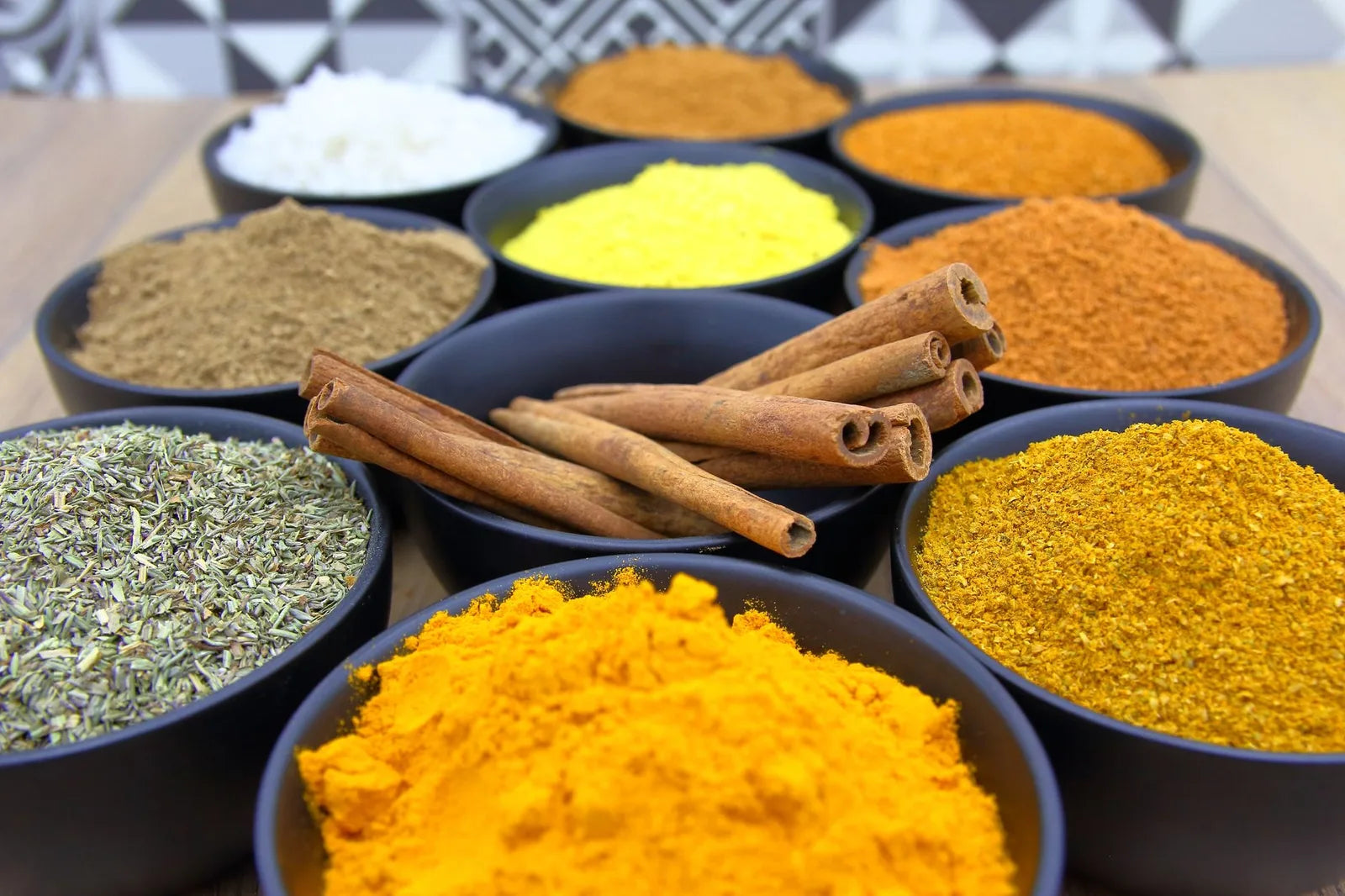

AIP Spice Substitutions Chart: What to Use Instead
This AIP spice substitutions chart gives you a swap for the spices that come out on the autoimmune protocol: nightshades like chili powder and paprika, seed spices like cumin and coriander, plus common blends and condiments. The rule behind every row is the same: a good substitution fills the job the original spice did, rather than copying it. Skim to the spice you need and reach for what is listed.
This AIP spice substitutions chart is the quick-reference version of the whole silo. When a recipe calls for a spice that is not AIP-compliant, find it below and use what is listed instead.
One idea runs through every row: a good substitution is not a one-for-one copy. It fills the job the original spice did, whether that was color, warmth, heat, or smoke. Once you see swapping that way, the chart stops being a list of losses and starts being a set of moves. For the reasoning behind the lists, the AIP seasoning guide covers building flavor in layers.
How to use this chart
Two groups of spices come out on the autoimmune protocol elimination phase: nightshades (the pepper family) and seed spices (spices that are a seed). The full reasoning is in the guide to AIP-compliant spices, but for swapping on the fly, you only need the rows below.
A few ground rules. These swaps are about flavor and ingredient compliance, not health claims. Amounts are a starting point, so taste as you go. And black pepper is a gray area: it is not a nightshade or a seed spice, but many protocols hold it during strict elimination, so treat it as optional and check your own plan. The autoimmune protocol is an elimination diet, and tolerances are individual, so this chart is a starting point, not a rule for everyone.
How to read a row: the first ingredient does the main job and the rest round it out. Strong spices like clove, cinnamon, and ginger go in small at first, since they take over a dish fast. A good starting point is to match the total volume of what you removed, then adjust. If a recipe called for two teaspoons of chili powder, start with two teaspoons of the turmeric-and-warm-spice mix and taste before adding more.
One honest note up front: a few spices have no exact match. Cumin's smokiness, the sharp heat of cayenne, and the specific tang of prepared mustard cannot be copied one-for-one, so those rows aim for a complete dish rather than an identical one. Knowing that ahead of time saves you from chasing a flavor that is not coming back, and it keeps the focus on a plate that tastes finished.

Nightshade spice substitutions
Nightshades are the pepper-based spices. They mostly carried color and heat, so the swaps rebuild those jobs. For the full version, see the nightshade-free seasoning guide.
- Instead of chili powder: use turmeric for color plus cinnamon and a little ginger for warmth. For tacos specifically, see what to use instead of chili powder.
- Instead of paprika (sweet): use turmeric for the color and a pinch of cinnamon for gentle warmth.
- Instead of smoked paprika: use a small amount of smoked salt, or brown the food harder, for the smoky note.
- Instead of cayenne: use ground ginger for warmth and a little bite, or leave it out for a mild dish.
- Instead of red pepper flakes: use ginger, or simply omit; there is no true AIP heat that matches a pepper.
- Instead of chipotle: use smoked salt plus extra garlic and onion for smoky depth without the pepper.
The pattern across these rows is color plus warmth. Chili powder and paprika did two jobs at once, a red-gold color and a low, warm heat, so most swaps pair turmeric for color with a warm spice like cinnamon or ginger. You will not get the exact pepper flavor back, and that is fine; the goal is a dish that tastes complete, not a copy. For real heat, ginger is the closest compliant option, and it brings warmth more than burn.

Seed spice substitutions
Seed spices are spices that are the seed of a plant. They mostly carried earthy warmth. For the full version, see the seed-spice-free cooking guide.
- Instead of cumin: use cinnamon with a small pinch of ground clove for warm earthiness, plus extra oregano.
- Instead of coriander seed: use cilantro leaf for brightness, or omit; the leaf of the same plant is compliant.
- Instead of fennel seed: use fresh fennel bulb (a vegetable) or a little dried tarragon for the anise note.
- Instead of mustard seed or prepared mustard: use a splash of lemon and extra garlic for sharpness.
- Instead of caraway: use a small amount of dill weed or tarragon.
- Instead of fenugreek: use a touch of maple with celery leaf for the savory-sweet note, or omit.
- Instead of nutmeg: use cinnamon, or a little mace if your protocol allows it.
- Instead of cardamom or anise: use cinnamon and ginger for the warm, aromatic direction.
Seed spices mostly added earthy, toasted depth, which is the hardest single note to replace. The trick is to lean on more than one source: cinnamon and clove for warmth, turmeric for earthiness, and harder browning of the protein for the roasted edge. Bloom the turmeric and cinnamon in a little fat at the start of cooking, the way you would toast whole seeds, and the blend tastes rounder.

Blend substitutions
Store blends are where non-AIP spices hide. Rebuild the blend from compliant parts.
- Instead of taco seasoning: garlic, onion, oregano, turmeric, cinnamon, and ginger, with salt.
- Instead of fajita seasoning: the taco base above, leaning brighter with extra onion, garlic, and lime.
- Instead of curry powder: turmeric, ginger, cinnamon, and a little clove; no seeds, no chili.
- Instead of chili seasoning: garlic, onion, oregano, turmeric, and cinnamon, browned hard for depth.
- Instead of Italian seasoning: oregano, basil, thyme, rosemary, and marjoram; it is already nightshade-free if it skips red pepper flakes.
- Instead of pumpkin pie spice: cinnamon, ginger, and clove; this one barely changes.
- Instead of everything bagel seasoning: dried garlic, dried onion, and flaked salt, leaving out the sesame and poppy seeds.
- Instead of Cajun or Creole seasoning: garlic, onion, oregano, thyme, and a little turmeric, skipping the cayenne and paprika.
- Instead of ranch seasoning: dried dill, parsley, chives, garlic, and onion.
Build these in small batches and keep them labeled, the same as any spice mix. A useful base ratio is two parts garlic and onion to one part herbs to one part warm spice, adjusted to the direction you want. Most of these blends keep their punch for three to four months in an airtight jar, so a five-minute mixing session covers weeks of dinners.
Condiment and sauce swaps
Bottled sauces hide soy, seeds, and nightshades, so these swaps matter as much as the spice ones.
- Instead of soy sauce or tamari: use coconut aminos, which is the standard AIP swap.
- Instead of prepared mustard: use a mix of lemon, garlic, and a little olive oil for tang.
- Instead of Worcestershire: use coconut aminos with a splash of apple cider vinegar.
- Instead of hot sauce or sriracha: use a garlic-and-ginger paste for kick, or a little horseradish where the protocol allows it.
- Instead of ketchup: use a nightshade-free "nomato" style sauce built on carrot, beet, and onion.
- Instead of teriyaki: simmer coconut aminos with ginger, garlic, and a little maple.
Bottled sauces hide more non-AIP ingredients than spice jars do, since they combine soy, seed spices, nightshades, and sweeteners in one place. Coconut aminos covers most of the salty-savory swaps on its own, and a splash of vinegar or citrus adds the tang that mustard and Worcestershire brought. When a recipe leans on a sauce for heat, rebuild it with garlic and ginger rather than reaching for a substitute hot sauce, which often sneaks peppers back in.

Substitutions by flavor job
When a spice is not on the chart, work backward from the job it was doing and pick a compliant ingredient that does the same thing.
- Color: turmeric (golden), beet (red), or a little carrot.
- Warmth: cinnamon, ginger, and a little ground clove.
- Heat: ginger for a gentle bite; black pepper only if your protocol allows it.
- Smoke: smoked salt, or harder browning and roasting.
- Earthiness: turmeric, plus mushrooms cooked into the dish.
- Brightness: lemon, lime, and fresh herbs like cilantro and parsley.
- Savory depth: garlic, onion, and coconut aminos.
This is the same logic behind the rest of the chart. Name the job, fill the job, and the dish stays whole.
Here is the logic in one example. Say a recipe calls for a smoky, warm rub with paprika, cumin, and brown sugar. Paprika was color and mild smoke, cumin was earthy warmth, and the sugar was a rounding sweetness. Swap turmeric and a little smoked salt for the paprika, cinnamon and clove for the cumin, and a touch of maple, or leave the sweetness out, and you have rebuilt the rub from compliant parts without guessing. Most recipes come apart this cleanly once you read them as a set of jobs.
When a ready-made blend is easier
Mixing swaps every night gets old, and that is a fair reason to keep a clear-label blend on hand. The catch with store blends is the label: umbrella terms like "spices" and "natural flavors" are allowed under FDA labeling rules without naming what is inside, which is exactly where a stray nightshade or seed spice slips in.
When you would rather not vet each jar, the AIP Flavor Trio collection names every ingredient. It is optional, not required, and if your protocol skips salt, garlic, or onion, the homemade swaps above keep every choice in your hands. Either way, the label is the final word, so check it against your own protocol.
And if you would rather mix than buy, batch the blends you reach for most on a slow afternoon and store them labeled. A weeknight then becomes a single scoop instead of a chemistry session, which is the whole point of having a chart like this in the first place.
Frequently asked questions
What can I use instead of paprika on AIP?
Use turmeric for the color paprika gave and a pinch of cinnamon for gentle warmth. For the smoky kind, a little smoked salt or harder browning brings back the smoke without the pepper. Paprika is a nightshade, so it is left out during elimination.
What replaces cumin on AIP?
Cinnamon with a small pinch of ground clove covers cumin's warm earthiness, and extra oregano fills out the savory side. Cumin is a seed spice, so it comes out during the elimination phase, though many people reintroduce it later.
What is an AIP substitute for soy sauce?
Coconut aminos is the standard swap. It gives the salty, savory note without soy (a legume) or wheat. For a Worcestershire-style depth, add a splash of apple cider vinegar.
What spices are not AIP compliant?
The two main groups are nightshades (chili powder, paprika, cayenne, red pepper flakes) and seed spices (cumin, coriander, fennel, mustard, caraway, fenugreek, nutmeg, cardamom). Soy sauce and most pre-made blends are out too. Leafy herbs, aromatics, roots, bark, and berries are generally in.
Is black pepper allowed on AIP?
It is a gray area. Black pepper is not a nightshade or a seed spice, but many protocols hold it during strict elimination. Treat it as optional and protocol-dependent, and reintroduce it on your own plan.
How do I replace a store-bought blend like taco or curry?
Rebuild it from compliant parts. A taco blend becomes garlic, onion, oregano, turmeric, cinnamon, and ginger; a curry becomes turmeric, ginger, cinnamon, and a little clove. Both skip the chili and seed spices the store versions rely on.